
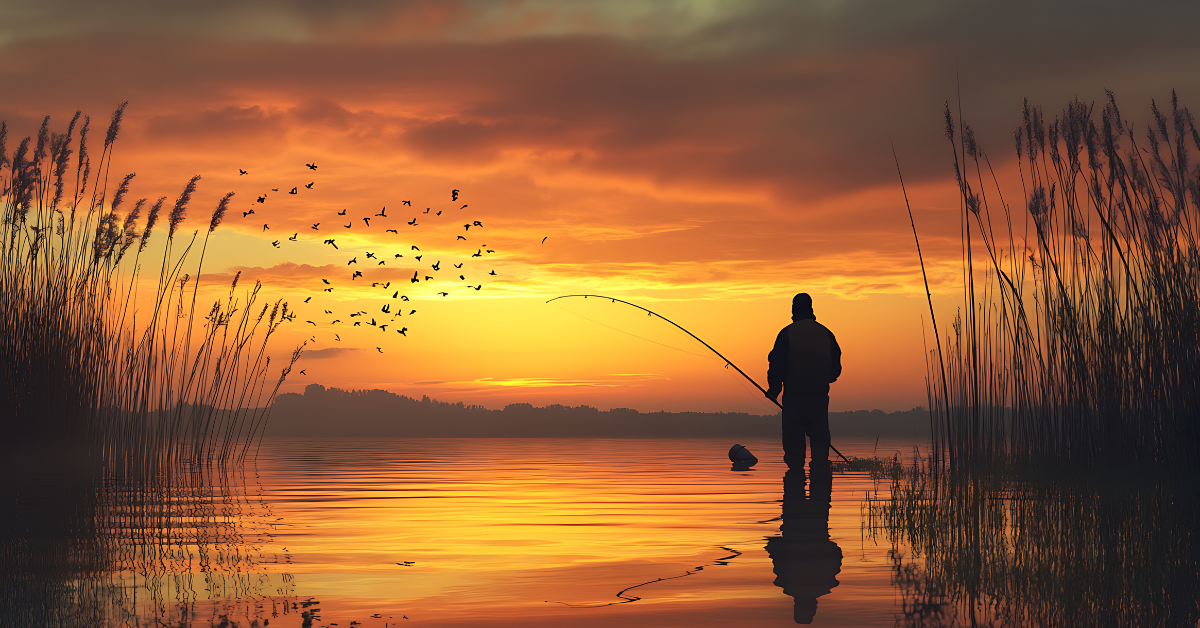
Fishing alone is something a lot of anglers grow into.
At first, it happens by accident. Maybe as a last-minute decision, because there’s nobody else available. Then you realize how much you enjoy the quiet. The lack of pressure. The ability to move when you want, stay when you want, and fish exactly how you want without explaining yourself to anyone.
Solo fishing has a way of slowing things down. You settle into a rhythm that’s hard to find when other people are around. That same independence, though, comes with a tradeoff. When you fish alone, there’s no margin for sloppy decisions. No second set of eyes. No one to help if something minor turns into something serious.
That doesn’t mean solo fishing is dangerous by default, but it does mean preparation matters more than people like to admit. Most days go smoothly. That’s why safety tends to get overlooked. The problems show up on the days when something unexpected happens, and those are usually the days people thought would be routine.
Thinking Ahead Before You Ever Fish a Cast
The most important safety decisions of a solo trip usually happen before you ever touch the water.
Letting someone know where you’re going is one of the simplest habits to build, yet it’s one many skip because they’ve “done this a hundred times.” A quick message with a specific location and a rough return time is enough. If nothing goes wrong, it never matters. If something does, it suddenly matters a lot.
Search and rescue agencies consistently report faster response times when a person’s last known location is clear. The U.S. Coast Guard has noted that cases involving documented trip plans are resolved more efficiently than those without them. Even though that data often focuses on boating, the principle applies just as much to shore anglers and wade fishermen.
Weather planning is another area where confidence sometimes replaces caution. Looking at temperature alone isn’t enough. Wind direction and speed, incoming storms, and daylight hours all influence how safe a spot remains as the day goes on. A bank that feels calm in the morning can become difficult to exit once water levels rise or wind picks up.
Packing with safety in mind doesn’t require hauling half your garage. Water, food, a basic first aid kit, a flashlight, and a charged phone cover most situations. A waterproof case costs very little and prevents a lot of frustration. If you fish remote areas often, carrying a backup power source or a satellite communicator becomes less about “what if” and more about practicality.
Knowing the area matters too. Access points look different when light fades or weather changes. Trails disappear and shorelines shift. A little mental mapping before you start fishing helps later when you’re tired or conditions change faster than expected.
Staying Aware Without Ruining the Experience
One of the best parts of fishing alone is getting lost in it. That focus is part of the appeal. The challenge is keeping enough awareness to stay safe without turning the trip into a stress exercise.
Most fishing injuries don’t involve fish at all. They involve slips, falls, and simple missteps. According to injury surveillance data, falls are among the leading causes of outdoor recreation injuries, and anglers are no exception. Wet rocks, uneven banks, submerged debris, and loose gravel are all easy to underestimate until you’re dealing with a twisted ankle miles from your vehicle.
Awareness doesn’t mean being on edge. It just means checking in with your surroundings now and then. Watching where you step. Not backing up without looking. Paying attention to how quickly water is moving or rising. Noticing when fatigue starts to affect balance or judgment.
Fishing solo also means trusting your instincts more than your pride. If a spot feels off, whether because of conditions, wildlife activity, or people nearby, leaving early is rarely a bad decision. Fish don’t disappear because you chose caution.
Carrying Everyday Gear That Works While Fishing
Fishing already puts your body through a lot of movement. Casting, walking, bending, climbing, and standing for long stretches are part of the day. Anything you carry needs to work with that movement rather than fight it.
For most anglers, everyday carry starts simple. A knife or multi tool. A light. Maybe a whistle. Things you forget about until you need them.
Some people, particularly those who fish remote areas or places with limited cell service, choose to carry personal protection tools as part of that everyday setup. This isn’t about expecting trouble. It’s about recognizing that help can be far away and response times can be long.
When people do carry while fishing, comfort and security matter more than anything else. Gear that shifts, pinches, or constantly needs adjusting tends to get left behind.
OWB holsters are commonly preferred because they sit clear of belts and waders, remain accessible with layered clothing, and stay comfortable during long periods of movement. They also tend to offer better retention, which matters when you’re bending, climbing, or stepping through uneven terrain. A well-fitted holster keeps equipment secure without drawing attention or interfering with fishing.
Whatever someone chooses to carry, it should blend into the day rather than dominate it. Awareness, avoidance, and good judgment remain the first line of safety. Tools exist to support those habits, not replace them. Legal considerations and training should always be handled well before stepping onto the water.
When a Minor Problem Becomes a Bigger One
According to NOAA recreational safety data, a significant number of fishing-related fatalities and serious injuries involve individuals who were alone at the time of the incident. Many of those situations escalated because help was delayed or unavailable. Preparation doesn’t prevent everything, but it slows situations down and keeps options open.
A basic first aid kit can turn a bad moment into a manageable one. Cleaning and dressing a wound properly, stabilizing a joint, or controlling bleeding buys time and mobility. Knowing how to use what you carry matters just as much as carrying it.
Communication becomes critical when something goes wrong. Phones fail more often than people expect. Batteries die and signal disappears in low areas or dense terrain. Satellite messengers and personal locator beacons exist for a reason, and more anglers are starting to see them as standard gear for solo trips.
Weather remains one of the biggest variables. Storms develop quickly near water, and wind changes can make certain shorelines unsafe without much warning. Knowing when to shelter, when to move, and when to call it a day keeps small problems from stacking up.
Wildlife and People You Didn’t Expect to See
Most wildlife encounters are forgettable. Animals tend to avoid people when given space. Problems happen when animals feel surprised, cornered, or threatened.
Making your presence known, keeping distance, and paying attention to signs of activity reduces risk significantly. Curiosity should never override caution, especially when fishing alone.
Encounters with other people are usually harmless too, but isolation changes the equation slightly. Remote access points and empty stretches of shoreline don’t always attract the best behavior.
Situational awareness matters here. If someone’s behavior makes you uncomfortable, increasing distance early is often the best option. Moving spots or leaving the area costs little compared to dealing with a situation that escalates.
Most experienced anglers agree that avoidance solves far more problems than confrontation ever could. Nonviolent tools like lights, whistles, and confident communication handle the vast majority of issues without creating new ones.
The Bottom Line
Outdoor recreation safety studies consistently show that preparedness and awareness reduce injury risk across activities like fishing, hiking, and boating. Simple habits account for a large percentage of incidents that never happen.
That lines up with experience. Seasoned anglers are thoughtful. They understand how quickly conditions change and how small problems grow when no one else is around.
Fishing alone should feel calm and rewarding, not tense or risky. Preparation allows you to relax once you’re there. When safety habits are handled before the first cast, they fade into the background where they belong.
Then the day becomes what it was meant to be. Quiet water. Focused casts. Time that belongs entirely to you.


