
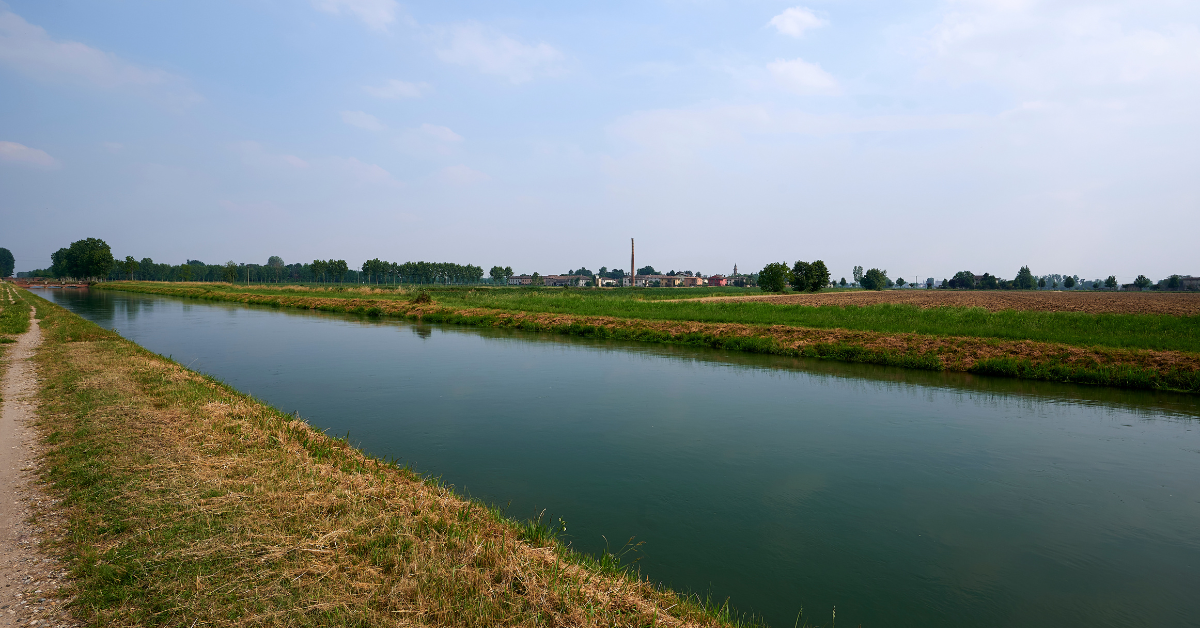
Antwerp looks like a fishing postcard the moment you step off a train or a gangway. The Scheldt curls past the old town, canals thread through the port, and every dock seems to hide a shadow that could be a decent zander.
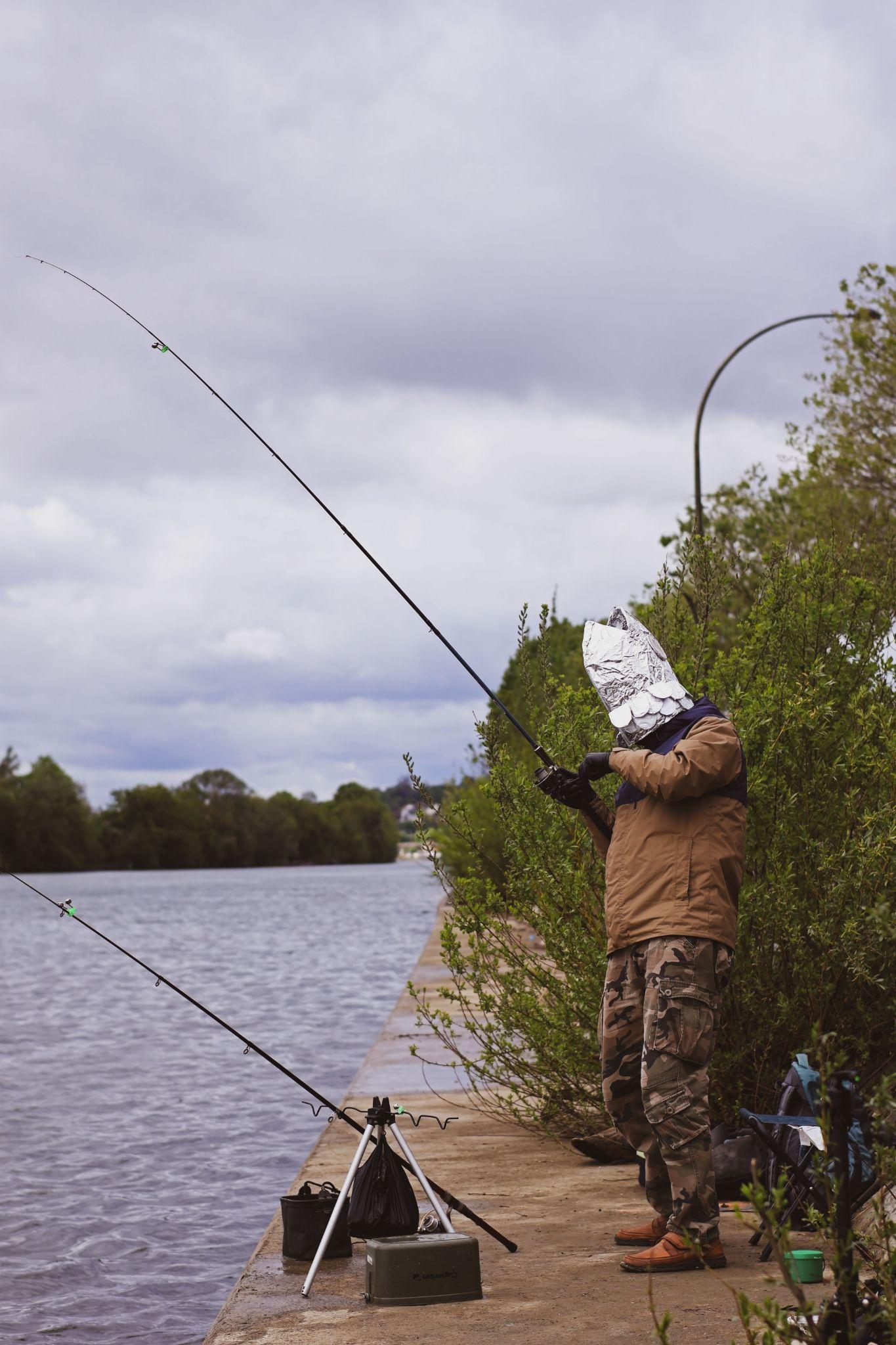
Visiting anglers often assume they can simply unpack a rod and start casting. That assumption is exactly what gets people fined, or at least sent packing before their first cast lands.
Check Before You Cast: Permits, Access and Rules
Belgium splits its fishing law along regional lines, and Antwerp sits firmly inside Flanders. That means you need a Flemish fishing permit, known locally as a visverlof, before you touch public water. Anglers can arrange this online or through a post office, and the official guidance confirms you can order your
visverlof for yourself, a family member, a friend or another angler, and it must be applied for and downloaded through the digital counter.
Port-side fishing adds another layer. If you plan to cast anywhere near the docks, the city is explicit that a Flemish fishing licence is required in the port area, and Flemish regulations governing river fishing apply there
as well. Some stretches also carry water-specific rules on rod numbers, bait type and retention, so cross-check the current Flemish fishing permit requirements before choosing a swim rather than after.
Seasonal closures and species retention rules shift from year to year, and the official public fisheries regulations spell out exactly what tackle and bait are permitted on each water type. Read them properly. A permit bought in a hurry at the wrong tier can leave you legal to fish but illegal to keep, use bait fish, or fish after dark.
Planning a Fishing Visit Around Antwerp’s Working Riverfront
Antwerp is a working port first and a tourist city second, which shapes how anglers should plan a trip. Commercial traffic, lock schedules and tidal push on the Scheldt all affect which banks are safe and accessible at any given hour.
Many visiting anglers build a fishing session around a broader Antwerp stay rather than treating it as a standalone trip. Arriving by Antwerp river cruises is one practical way travelers reach the city and get an early look at the Scheldt waterfront before ever picking up a rod.
Whether you arrive by rail, road or river, give yourself daylight hours before your first session to walk the bank, note current speed, and confirm where public access actually ends.
Where Zander Hold in Canal and Connected Water
Zander favor structure over open water, and Antwerp’s canal network gives them plenty of it. Locks, moored barges, bridge pilings and sudden depth changes all create the kind of ambush points these fish rely on. Research on canal populations elsewhere in Europe notes that
canals busy with boats or deep rivers are great places to catch zander, and they can be taken on small lures though they generally prefer dead or live baits.
Boat traffic isn’t just a hazard to dodge, it actively concentrates fish. Disturbed sediment near working docks reduces light penetration, and zander are drawn to that cover since they
are often active at night and will lie up in shady areas near the lake, river or canal bed during daylight. Twilight sessions near locks or barge moorings, fished from a stable, legally accessible bank, tend to outperform the open midday canal.
Tackle, Lures and Landing Gear
Scale down from typical pike gear rather than up. A medium-action rod paired with 10 to 15 lb line handles most canal zander, and a wire leader still earns its place given how often pike share the same water. For lure choice, jigging remains the standard approach, and anglers elsewhere report success running
jigging as the most common method, with chartreuse the most effective color followed by green and other bright hues.
Bring a rubber-coated landing net and long-nosed forceps rather than a gaff. Anglers refining broader predator tactics, including pike sessions that often overlap with zander water, can find more detailed gear breakdowns on Tackle Village’s pike fishing hub.
Handling and Releasing Your Catch
Zander have small mouths relative to their body and delicate jaw tissue, so minimize air time and avoid squeezing the lower jaw. Wet your hands before contact, support the fish horizontally, and release it facing into any current so water moves across the gills immediately.
Retention rules vary by permit tier and water body, so verify current limits before assuming catch and release is optional or mandatory. What applies on one canal stretch may differ entirely a few locks away.
Pre-Trip Checklist
Before heading out, confirm you have the correct Flemish visverlof for the water you intend to fish, checked the water-specific rules for that stretch, reviewed the weather and lock traffic for the day, identified safe legal bank access, packed scaled-down zander tackle with a wire leader, and prepared proper handling gear for a quick, safe release.


