
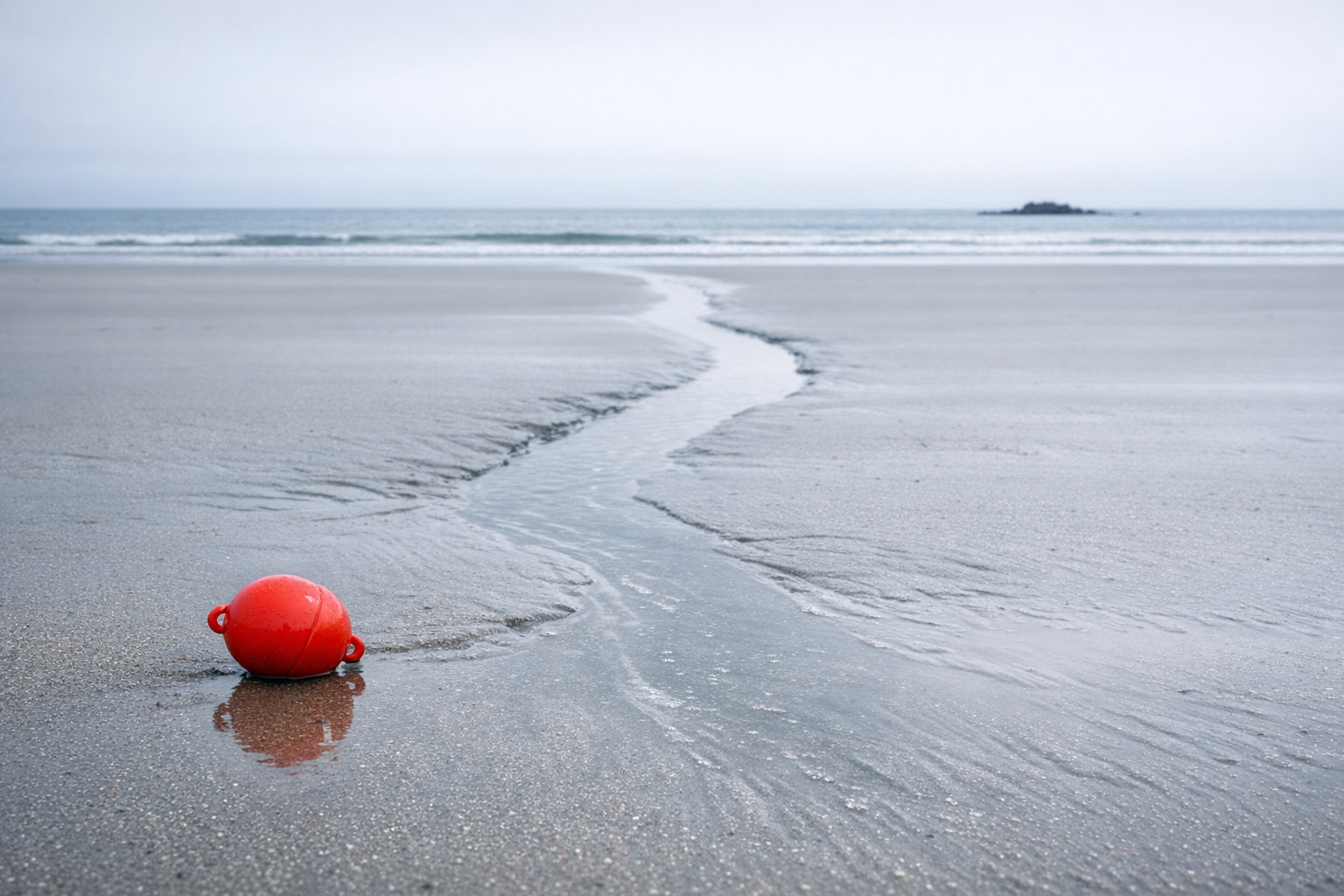
Coastal fishing depends on your ability to interpret water movement along with your choice of gear or bait. The timing, direction, and subtle variations in tides quickly affect where fish are likely to feed near the shore. When you recognize and respond to these shifting tides, you improve both the productivity and safety of each trip.
While you may focus on equipment selection, tides for fishing is a key element that can decide your results along the coast, as it determines where fish are found and when they become most active. Even small changes in water level influence your access to different fishing spots and the movements of both baitfish and predators. Each stage of the tide produces patterns in current, depth, and water clarity. Learning to spot these changes lets you adapt your approach to match the conditions found at beaches, estuaries, jetties, and rocky shores.
Understanding basic tidal movement and shoreline effects
Your coastal fishing success starts with understanding the rise and fall of the ocean’s tides, which affects the features and opportunities in each nearshore area. As the tide rises, water spreads over flats, fills channels, and increases current along sandy or rocky terrain. This provides fish new access to food sources and transforms the water’s shape, depth, and clarity across your fishing grounds. On a falling tide, shallow regions are drained and strong currents flow through channels or creek mouths, making both baitfish and predators concentrate in smaller, defined spots.
Clarity often shifts as sediment and organic debris become suspended by tidal movement. You regularly find the clearest water on incoming tides, particularly where the flow brings in cleaner ocean water. By contrast, outgoing tides may carry debris and cloud water near the shore, demanding more careful approach and lure selection. Observing how your shoreline reacts to tidal flows gives you reliable clues about where to focus your efforts during each phase of the tide.
How your approach matches fish behavior during tidal shifts
You can often place yourself in the right location by predicting how predators follow the changing positions of baitfish as the tide moves. With rising water, you might find predators moving over flooded flats or gathering close to sandbars where baitfish are newly accessible. These feeding periods can be short and tightly linked to tidal movement, so you need to stay alert for intense bursts of fish activity. Baitfish tend to gather along current breaks or edges created by the shifting tide, and by watching these spots, you stand a better chance of locating feeding fish.
On a dropping tide, fish often retreat to deeper holes or structure that remains submerged as shallow water drains away. Look for fish gathering in channels, troughs, or at the edge of drop-offs, as these are the common places where predators ambush bait swept along by the current. Matching your timing and position to these cycles greatly increases your odds of finding active fish, making knowledge of tidal flow a core part of any coastal fishing plan.
Key environments shaped by moving water
The effect of the tide can vary widely depending on your fishing environment. On beaches and sandbars, temporary troughs and lanes form and disappear as the water level changes. These features can concentrate bait and attract predators, but you need to take advantage of them during the correct stage of the tide. In estuaries and creek mouths, outgoing tides focus both fish and prey into narrow, active areas for a short window of time.
Jetties and rocky coastlines benefit from the pronounced current, which creates eddies and seams where fish hold for protection and feeding. You must pay attention to these small changes and be ready to switch your location, casting strategy, or bait based on the flow. Here, fishing conditions can change quickly, so adaptability and careful observation are essential for steady results.
Recognizing timing patterns and environmental variations
You usually find the most predictable bite windows during peak tidal flow: just before high tide or just before low tide, when current is strong and bait is moving. When water movement slows during slack tide, both bait and predators may become less active, resulting in slow periods. Since some locations only see a burst of activity during these transitions, you improve your results by planning your trips around these timing patterns.
Other environmental factors like wind direction, surf, air pressure, and rainfall also play a role. For example, wind can increase current or disturb the surface, either improving feeding or making it more challenging. A sudden change in water clarity or temperature may decrease fish activity, even if tides are ideal. By paying close attention to all these elements and adjusting your tactics in real-time, you are more likely to encounter favorable moments along the coast.
To help plan your coastal fishing, you can use digital platforms and tools designed specifically for anglers. The app linked above provides you with features such as tide tables, forecasts, mapping, and predictions of the best timing and locations to fish. By checking these resources, you get up-to-date insight into how tidal movements, moon phases, and local weather may impact your target spots. This enables you to select not only where to fish, but also when to go, maximizing both your results and your safety each session.
Staying up to date with tide information, observing bait movements, and noting which features are above or below water at different stages will all enhance your coastal fishing experience. By making these habits part of every trip, you place yourself in the best possible position for success.


