
A fun day on the water can turn into a very sad time if someone accidentally drowns. When friends or family go out to the Broad River or Lake Murray in Columbia, SC, they expect to bring home fish and good memories. If a tragedy happens, families are often left with many questions about what the law says and who is responsible for the loss.
The legal process in South Carolina helps determine if the accident was truly unavoidable or if someone’s mistakes caused the person to pass away. Understanding these rules is important for families looking for answers about their rights. Laws are in place to make sure that safety is followed by everyone on the boat and that the equipment is working correctly before the group leaves the shore.
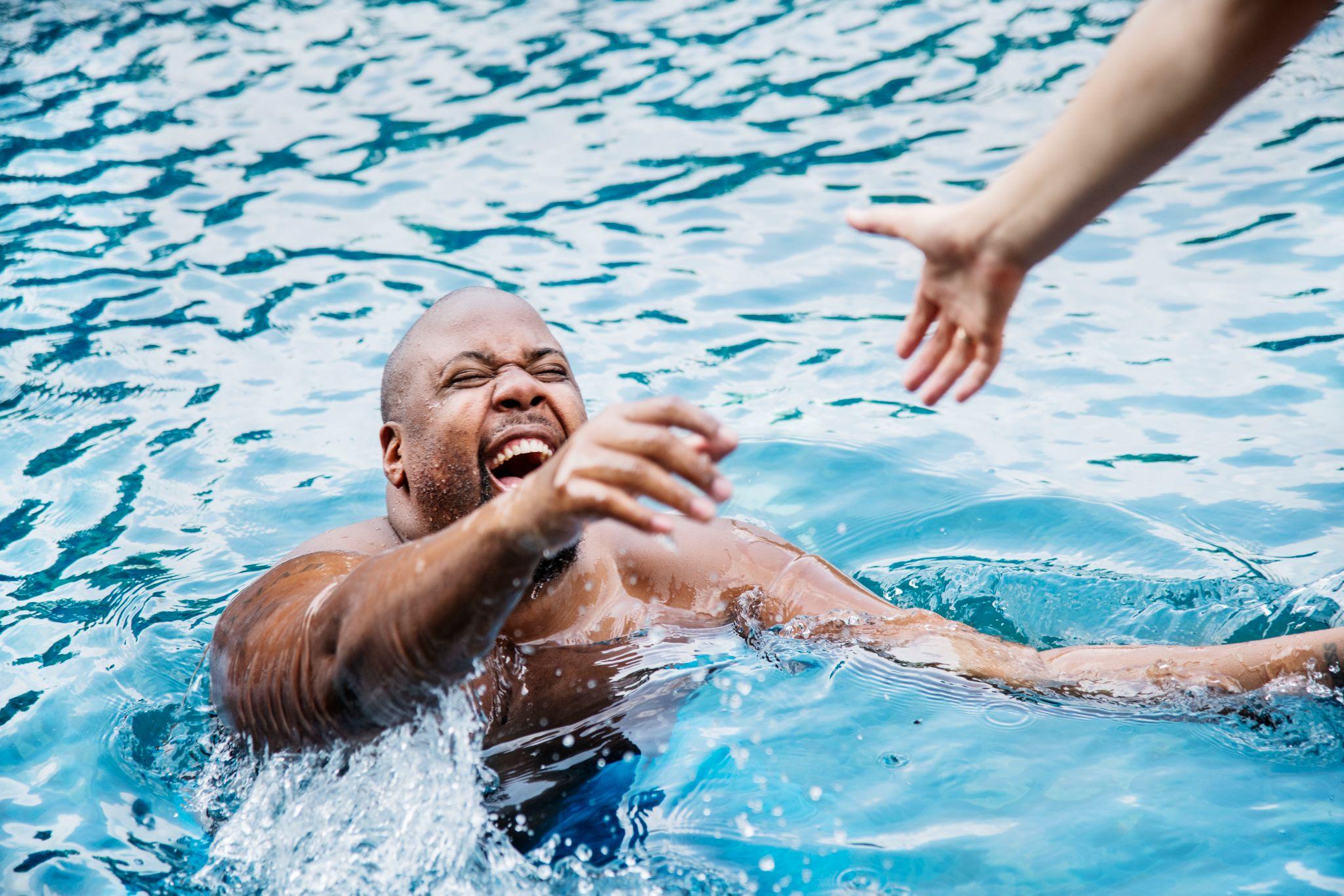
Who Can File A Claim After A Waterway Tragedy?
In South Carolina, not just anyone can start a legal case after a drowning. Under South Carolina laws, a claim must be filed by the personal representative of the person who died. This is usually a close family member like a spouse, a parent, or a child. Any money from a successful case is then shared among the legal heirs.
Data from the DPH indicates that the drowning death rate for residents varies by region, with specific areas showing higher risks than the state average. “When a life is lost on our waterways due to preventable errors, the law serves as the only voice for the silent, ensuring that accountability is not just expected but enforced through the preservation of truth,” according to Stephen Vicari, a Columbia wrongful death attorney.
What Legal Rules Apply To Drownings In South Carolina?
South Carolina follows specific laws when it comes to accidents on the water. Under S.C. Code § 50-21-110, it is illegal to operate a vessel negligently or recklessly. The South Carolina Department of Natural Resources (SCDNR) usually investigates any fatal incident on local waterways like the Saluda River. They look to see if the boat operator followed the state boating safety laws. If a person died because another person was being reckless or did not have the right safety gear, like life jackets, the law considers this a serious matter.
When a death occurs due to drowning in a group fishing trip in Columbia, SC, on a waterway, families may need to talk to a professional about their options. A Columbia wrongful death lawyer at Stewart Law Offices, a firm recognized by Martindale and working since 1995 in the field of law, can help by looking at the facts of the case to see if a legal claim is possible. You might consider visiting their office in Columbia, SC, renowned for protecting your interests with principled law, to know more about how the local court system handles these tragic events. Every case depends on the specific details of what happened on the boat that day.
Why Does Spoliation And Evidence Matter In A Death Case?
Evidence is the information used to prove what happened during the accident. One important legal concept is called spoliation. This happens when someone intentionally destroys or hides evidence, such as deleting photos of the boat or throwing away broken equipment. In South Carolina, courts do not like it when evidence disappears because it makes it hard to find the truth.
What Is E-Discovery?
E-discovery is the process of collecting electronic information. This includes text messages between the fishing group, GPS data from the boat, and posts on social media. These digital clues can show if the driver was distracted or if there were problems with the boat before the drowning occurred.
What Are The Rules Of Evidence?
The rules of evidence are the strict guidelines that say what can and cannot be used in a courtroom. Only reliable and relevant information is allowed. For example, a witness who saw the boat flip over can give testimony, but a rumor someone heard a week later might not be allowed. For those working in the industry, the Bureau of Labor Statistics notes that the fatal work injury rate was 3.3 per 100,000 workers in 2024, making evidence collection vital for workplace drowning cases.
If you need help from attorneys in Columbia, SC, you can find Stewart Law Offices located at 10 Calendar Ct # 100, 29206; or you can also call (803) 743-4200.
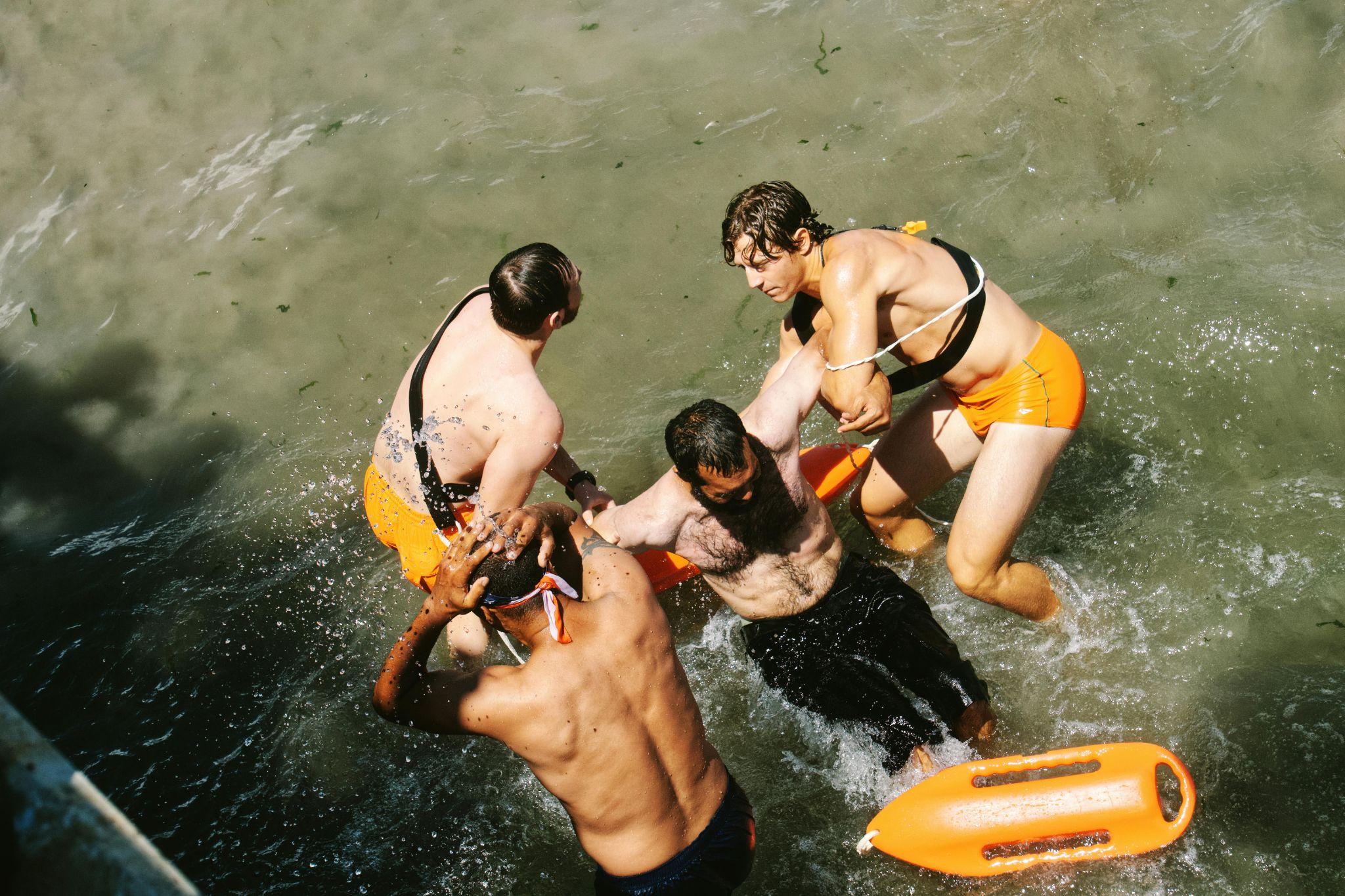
When Should A Family Start The Legal Process?
Time is a very important factor because of the statute of limitations. In South Carolina, under S.C. Code § 15-3-530, families generally have three years from the date of the death to file a lawsuit. If they wait too long, the court will refuse to hear the case. Starting early helps ensure that witnesses still remember what happened and that physical evidence, like the boat itself, can still be inspected by professionals.
Common Inquiries Regarding Boating Fatalities
Who investigates a drowning on the Columbia, SC River?
The South Carolina Department of Natural Resources usually leads the investigation into boating accidents. They check for law violations and create an official report about the incident.
Can a family sue if the victim was not wearing a life jacket?
Yes, a family might still have a case even if a life jacket was not worn. The court will look at all the facts to see who was most responsible.
How is a settlement amount decided?
Settlement amounts are determined by looking at the specific losses of the family. This includes bills, lost earnings, and the severity of the negligence involved.


