
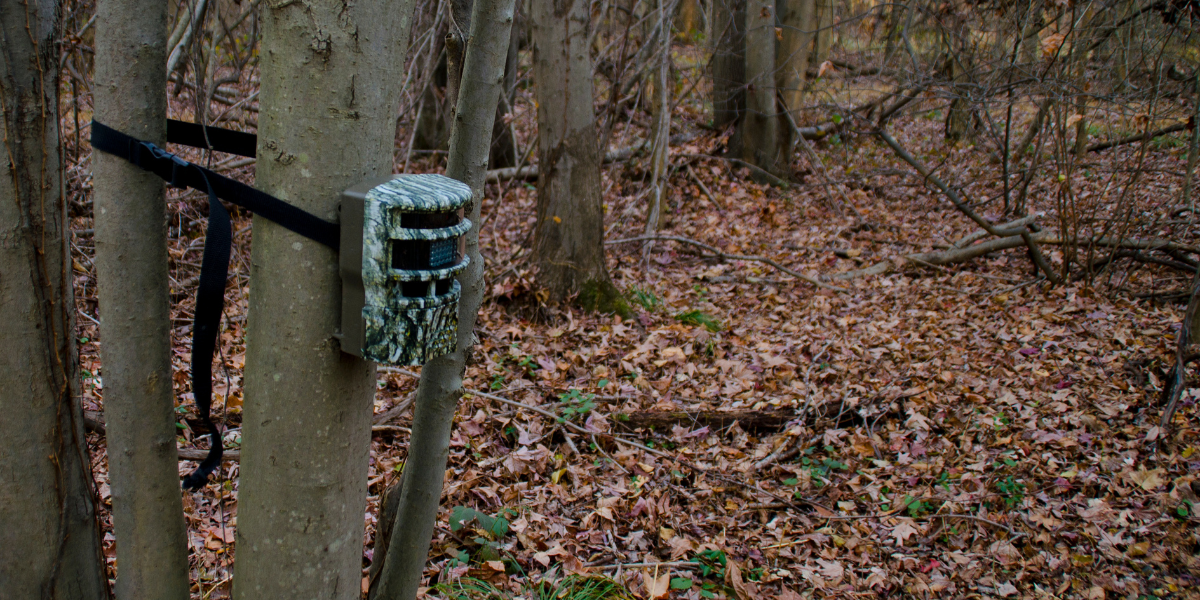
If you’re planning to buy a cellular trail camera for the 2026 hunting season, you’ve probably noticed that many of the latest models advertise AI features, better batteries, and higher image resolution. It’s easy to get caught up comparing megapixels or video quality, but those specifications don’t always have the biggest impact once the camera is hanging in the woods.
For most hunters, the questions are much simpler. Will the camera reliably tell me when deer are moving? Will it waste my cellular data sending hundreds of empty photos? Can it stay powered through the season without constant battery changes?
Those are the features that actually determine whether a cellular trail camera is enjoyable to use.
Why It Pays to Set Up Your Cellular Trail Cameras Early
Although this article focuses on choosing the right camera, timing also plays an important role.
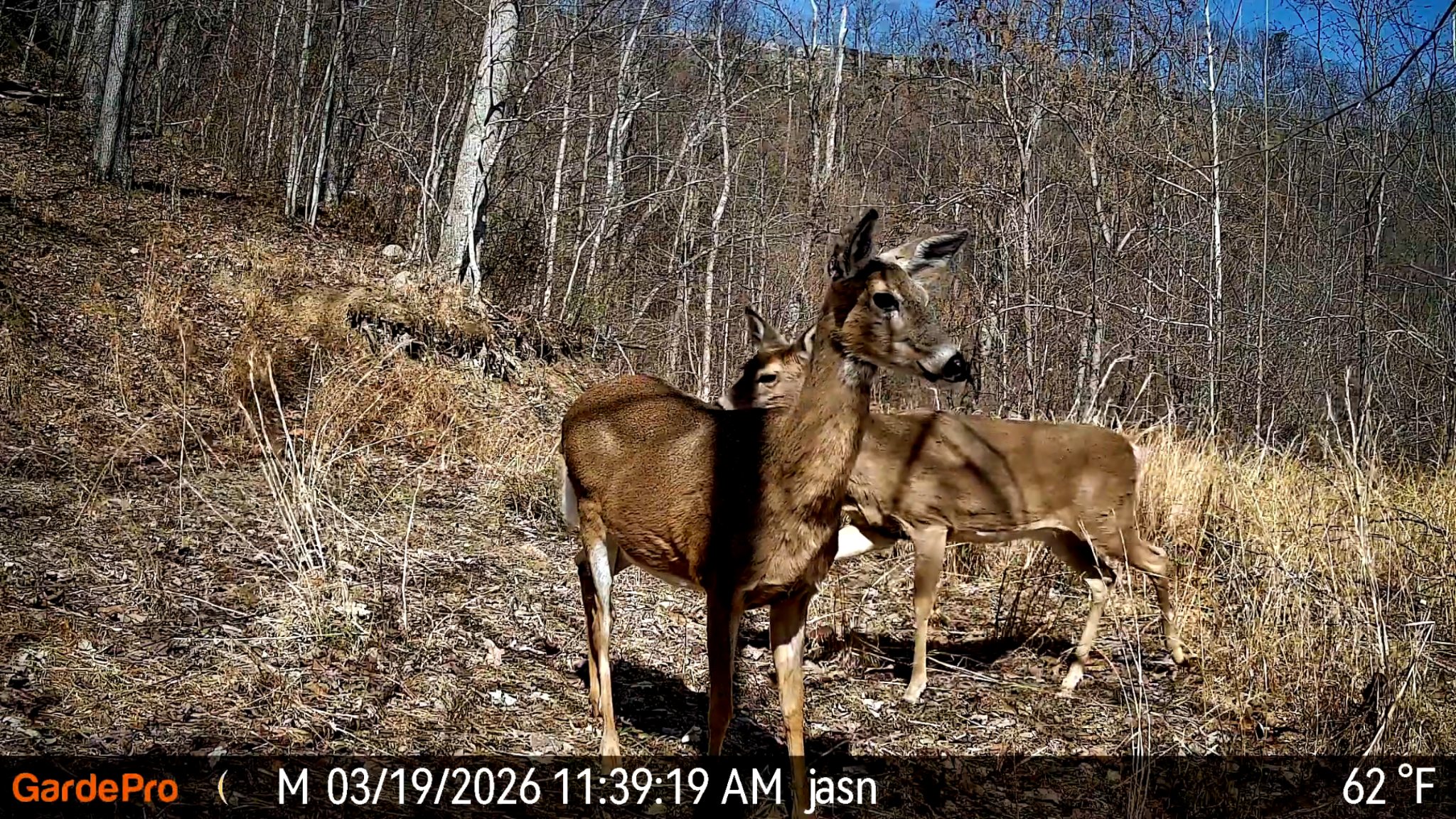
Many hunters wait until a week or two before opening day to hang their cameras. While that certainly works, placing cameras during July or August often provides much more useful information before the season begins.
By allowing the woods to settle after installation, mature bucks have time to return to their normal routines before hunting pressure increases. Instead of repeatedly walking in to swap SD cards, a cellular camera can quietly monitor changing deer activity while you stay away from the area.
This is especially valuable during late summer, when bachelor groups begin breaking apart and travel patterns gradually shift toward early fall behavior. Watching that transition unfold remotely often reveals movement patterns that would otherwise be easy to miss.
The Biggest Upgrade in 2026 Isn’t Better Image Quality
For years, manufacturers competed by advertising higher megapixel counts and sharper video. Those improvements certainly have value, but image quality is no longer the biggest challenge for most hunters.
The real frustration has always been sorting through thousands of photos that contain nothing useful.
Anyone who has used a trail camera for an entire season has experienced it. A windy afternoon arrives, grass moves in front of the sensor, changing sunlight triggers the camera, and suddenly hundreds of empty images begin filling both your SD card and your phone.
Besides wasting time, those unnecessary uploads consume battery power and, for cellular cameras, also use valuable mobile data.
This is where the newest generation of AI trail cameras has made one of the most meaningful improvements.
Rather than simply capturing every trigger, AI can now help organize images and reduce unnecessary uploads, solving a practical problem that hunters have dealt with for years.
AI Is Becoming More Useful Than Higher Megapixels
Artificial intelligence has become one of the biggest developments in cellular trail cameras, not because it creates better-looking images, but because it helps hunters spend less time managing them.
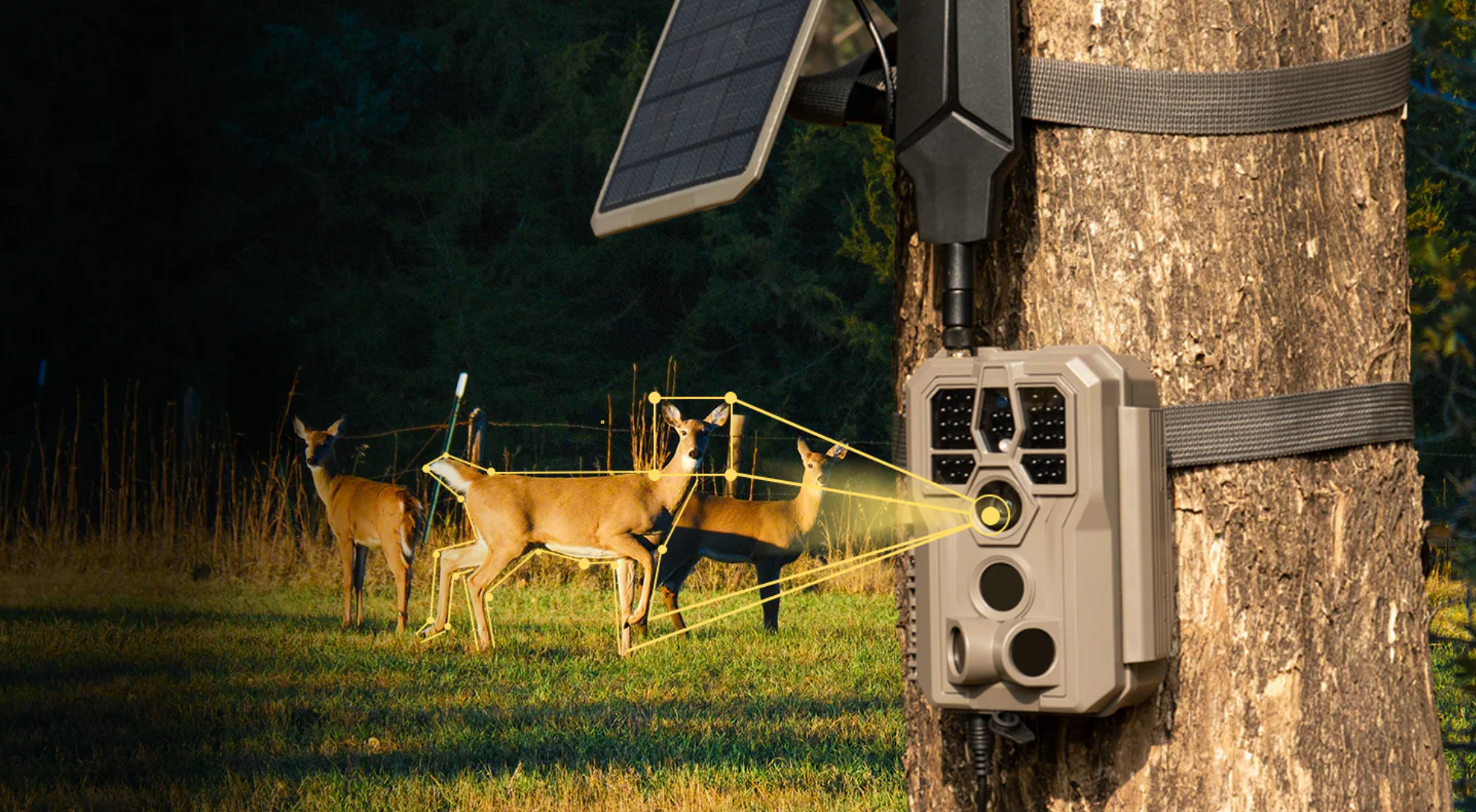
One example is AI image tagging. Instead of manually scrolling through thousands of photos looking for a specific buck, the software automatically categorizes images based on what appears in the frame. Finding deer photos becomes much faster because users can filter their gallery instead of reviewing every image individually.
Another useful development is intelligent upload filtering.
For example, the GardePro X66 Pro Max introduces a feature called Smart Capture. Instead of uploading every triggered image over the cellular network, the camera analyzes each event before transmission. If the trigger was caused by blowing vegetation, changing shadows, or another scene that doesn’t contain the target animal, the image can remain stored on the SD card rather than being sent immediately.
This approach addresses several problems at once. Hunters receive fewer unnecessary notifications, spend less time sorting empty images, reduce battery consumption caused by cellular transmissions, and make better use of their monthly data allowance.
Rather than simply adding another feature to the specifications sheet, AI is beginning to improve the overall ownership experience.
Battery Life Still Matters More Than Most People Realize
Even with smarter software, battery life remains one of the most important considerations when choosing a cellular trail camera.
Unlike traditional trail cameras, cellular models must periodically connect to mobile networks and transmit photos over LTE. Those wireless communications consume considerably more energy than simply recording images onto an SD card.
Because of this, battery performance depends on much more than the camera itself. Signal strength, transmission frequency, weather conditions, image resolution, and the number of photos being uploaded all influence how long a camera can remain in the field.
Fortunately, battery technology has improved significantly over the past few years. Many premium cameras now use large rechargeable lithium battery packs instead of relying entirely on disposable AA batteries, providing more stable performance in both summer heat and freezing winter temperatures.
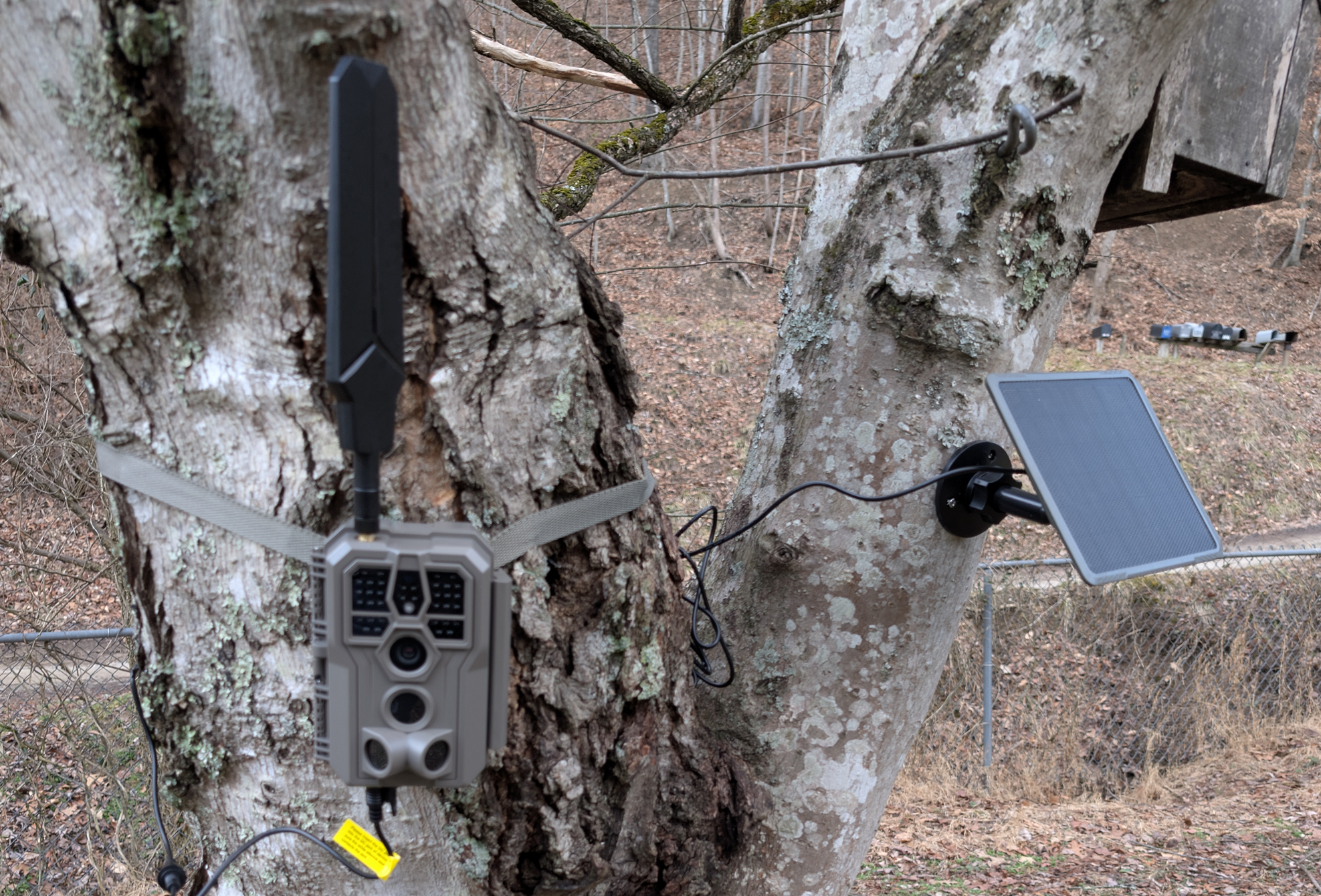
For hunters planning to leave cameras in the woods for several months, pairing a rechargeable battery with a solar panel has become one of the most effective ways to reduce maintenance. Under normal conditions, a properly sized solar panel can replace much of the energy consumed during daily operation, allowing the camera to remain active for much longer without requiring frequent visits.
Which Features Are Actually Worth Paying For?
It’s easy to compare cameras by looking at resolution numbers, but those specifications rarely determine whether you’ll enjoy using the camera throughout the season.
Features that reduce unnecessary work often provide far more value.
Reliable cellular connectivity means you’ll receive updates consistently instead of wondering whether the camera is still online. Fast trigger speeds help capture animals before they move out of frame. Stable mobile apps make reviewing images much less frustrating. AI-assisted filtering reduces the time spent sorting empty photos, while efficient power management keeps the camera operating longer between battery changes.
These practical improvements may not sound as exciting as higher megapixel numbers, but they have a much greater impact after several months of real-world use.
Choosing the Right Camera Is About More Than Specifications
The best cellular trail camera isn’t necessarily the one with the highest resolution or the longest feature list.
Instead, it is the one that matches the way you hunt.
If your camera checks a food plot only once a week, battery efficiency may matter most. If you’re monitoring multiple locations every day, AI image management can save hours over the course of a season. If your hunting property is difficult to access, dependable remote transmission quickly becomes more valuable than an extra few megapixels.
Looking beyond the marketing specifications and focusing on how the camera performs in everyday conditions usually leads to a better buying decision.
Final Thoughts
Cellular trail cameras continue to improve every year, but the most meaningful advances for 2026 are not simply about producing sharper images. They are about reducing unnecessary work in the field.
AI-assisted image filtering helps eliminate thousands of unwanted photos. Better battery systems and rechargeable lithium packs reduce maintenance. Solar charging allows cameras to remain active longer between visits. Together, these improvements make it easier to monitor wildlife while spending less time managing equipment.
If you’re preparing for the upcoming hunting season, now is also a good time to get your cameras in place. Early deployment allows deer to return to their normal routines while your camera quietly collects valuable information before opening day.
Choosing a cellular trail camera ultimately comes down to reliability. A camera that consistently delivers useful images, conserves battery power, and minimizes unnecessary data usage will often prove far more valuable over an entire season than one that simply advertises the highest resolution.


